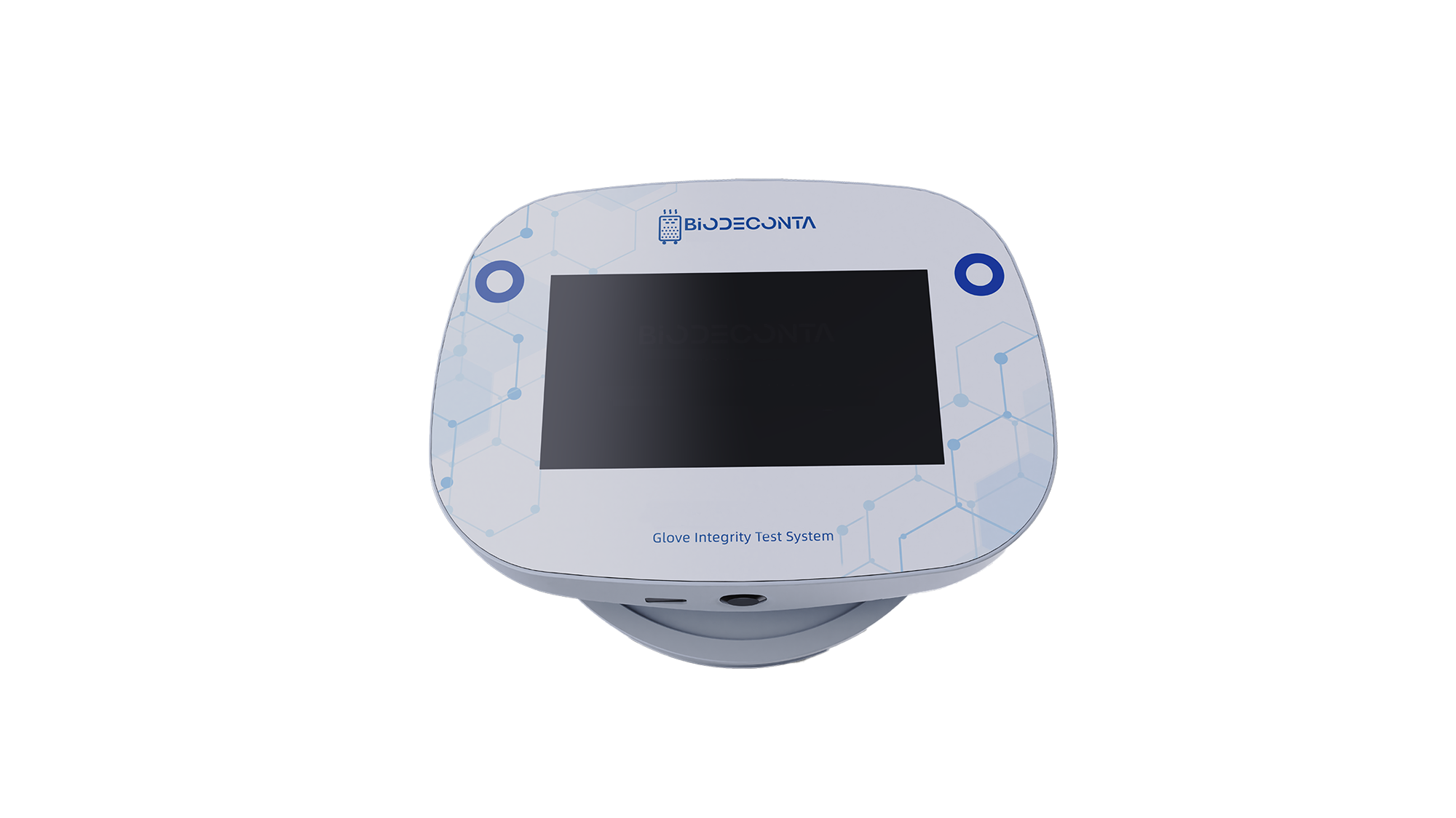
Driving Compliance & Quality ②: ISO 14644-7 Key Question – What Leak Size Can Be Detected?
 Introduction
In the previous issue, we unpacked the underlying logic of the 500–1000 Pa pressure setting in ISO 14644-7 positive pressure testing and clarified the misunderstanding that "high pressure damages gloves." As the second installment of our series, this issue focuses on the industry’s top concern: According to ISO 14644-7, what is the minimum leak size detectable in glove integrity testing? Why is Performance Qualification (PQ) critical to the reliability of leak size detection?
Let’s dive into the standard details to find the answers~
ISO Doesn’t Specify a Direct Answer? Key Lies in Glove VariabilityTo establish a correlation between hole diameter and pressure drop (ΔP), a mathematical model is needed. However, due to significant variations in glove materials (Hypalon, Butadyl, Neoprene, EPDM), thickness, size, and mounting methods, theoretical calculations are extremely complex and cannot replace practical verification.
Unlike the clear pressure setting, ISO 14644-7 does not specify a direct correlation between hole diameter and pressure drop. This is not an oversight but due to significant variations in glove material properties—different materials, thicknesses, sizes, and even mounting methods all affect pressure change patterns during leakage.
Why Do Many Companies Avoid Leakage PQ Validation? Four Core ReasonsPerformance Qualification (PQ) is a critical step to verify the actual detection capability of equipment and the core basis for proving compliance with ISO 14644-7 and GMP. However, in reality, many equipment suppliers do not proactively offer complete PQ validation protocols, mainly due to:
Insufficient Sensor Accuracy: Some devices use differential pressure sensors with accuracy of only ±1%FSV or lower, which cannot ensure test repeatability and false positive control when detecting 200 μm or smaller holes, making standardized PQ validation difficult.
Lack of Standardized Leak Simulation Tools: PQ validation requires calibrated leak simulation tools (e.g., laser-drilled membranes, micro-puncture devices), which many companies lack, preventing the establishment of reproducible validation processes.
High Cost and Time Commitment: Comprehensive PQ validation involves multiple test cycles, statistical analysis, environmental control, and data logging, representing a significant cost for manufacturers and often skipped without mandatory customer requirements.
Equipment Design Not for Validation-Level Use: Some devices are only for "preliminary screening" or "auxiliary detection," not designed for validation-level sensitivity and stability, and cannot provide PQ data meeting ISO or GMP standards.
Conclusion: PQ Is the "Bridge" to Reliable Leak Size DetectionPerformance Qualification (PQ) is not an optional additional process but a core bridge connecting equipment parameters and actual detection capability. Without PQ validation, there is no proof that the equipment truly has the claimed leak size detection capability, nor can it meet the compliance requirements of ISO 14644-7 and GMP.
Therefore, when selecting glove integrity testing equipment, companies should proactively request complete PQ validation protocols from suppliers and review them against their own production processes to ensure the equipment truly meets practical needs.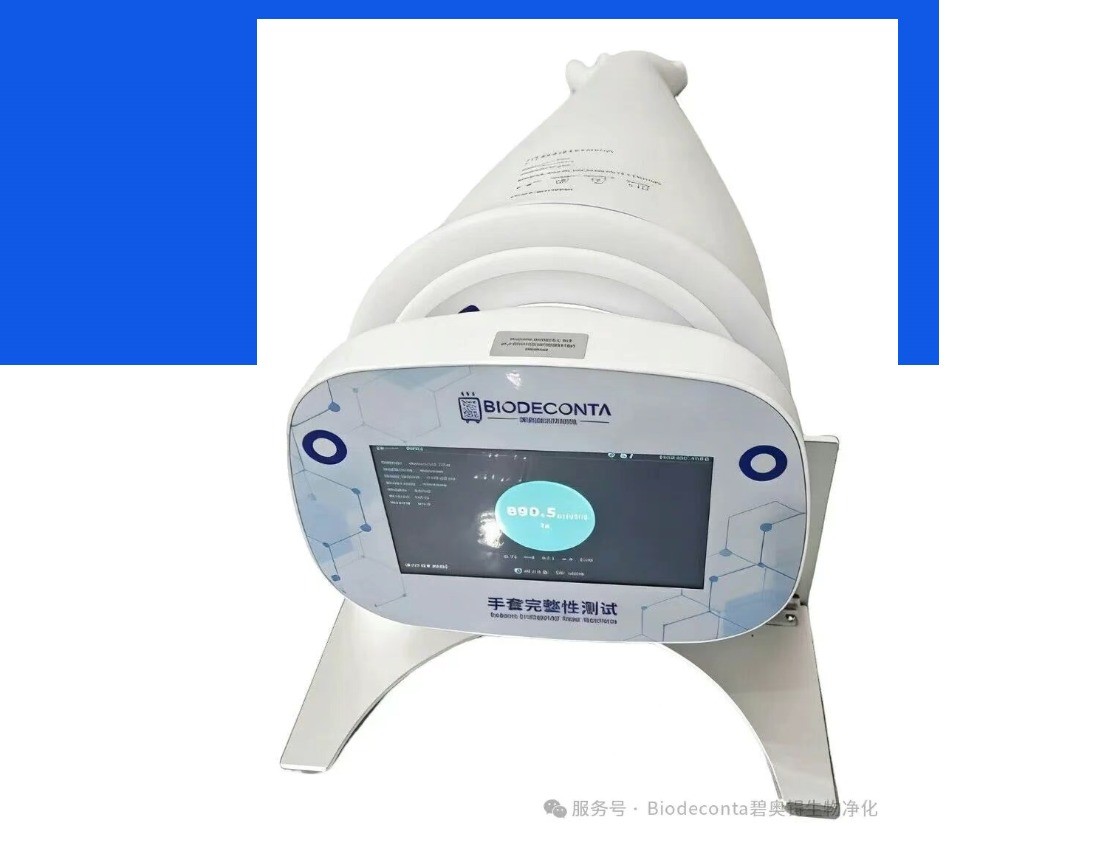
ClosingIn this issue, we clarified the core logic of leak size detection—PQ validation is irreplaceable. Next issue, we will answer the final key question in the series: Does sensor accuracy affect the minimum detectable hole size? Why are many manufacturers reluctant to clearly state sensor accuracy?
Follow us to lock in the final installment of the series, helping you fully grasp the core technical points of ISO 14644-7 positive pressure testing and support aseptic manufacturing compliance and quality improvement!
Related Products